SnakeStaff Systems ETQ GEN 2
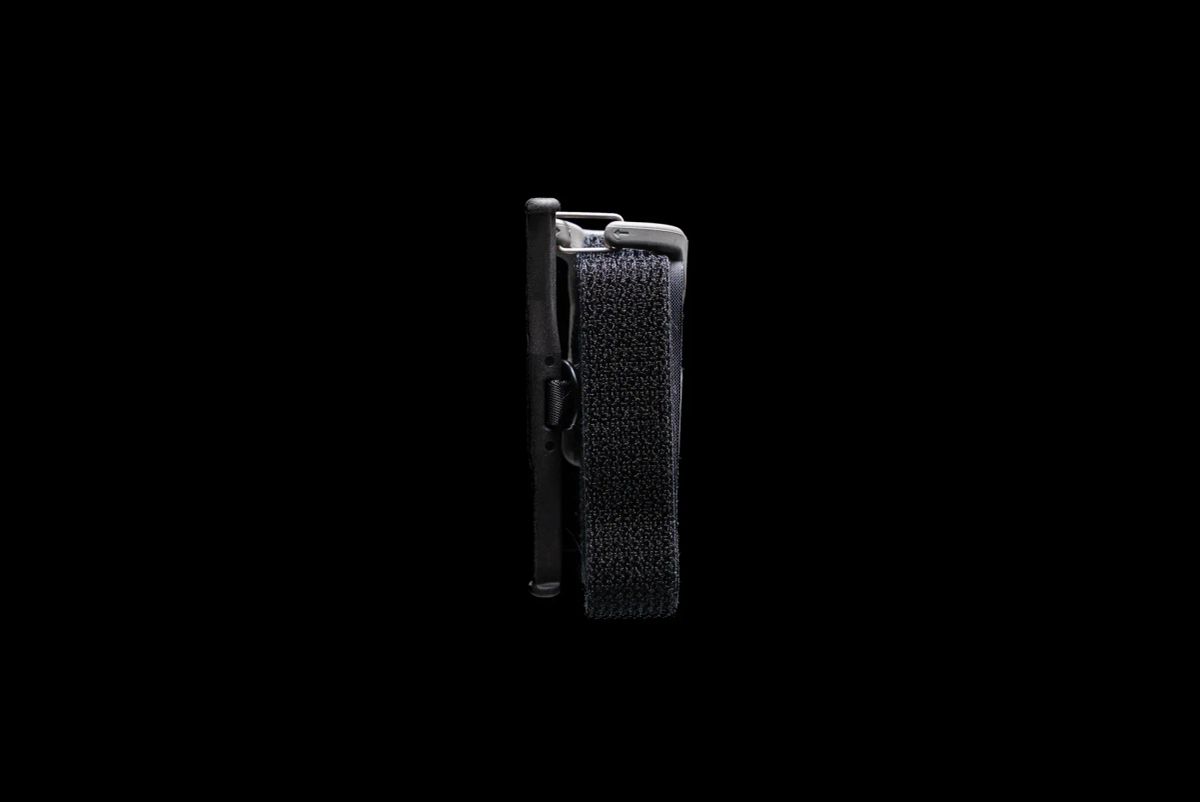
When most people think about hemorrhage control, they picture larger, proven windlass-style tourniquets like the Combat Application Tourniquet (CAT) or the SOF Tactical Tourniquet. These tools have earned their place through years of battlefield and civilian use, and they absolutely belong in any serious trauma kit. But everyday carry is a different conversation entirely. The reality is simple: if a tourniquet is too bulky or inconvenient to carry consistently, it often gets left behind. And when bleeding starts, the gear you left behind doesn’t matter.
The Snakestaff Systems ETQ GEN 2 was designed with that exact problem in mind. Its compact, elastic construction allows it to fold down to a size that can realistically be carried in a pocket, glove box, or minimalist kit without adding bulk or friction to your daily routine. That difference is what sets it apart. It shifts hemorrhage control from something you plan to have nearby into something you actually have on you. In real-world emergencies, that distinction is everything.
Where the ETQ GEN 2 really begins to separate itself is in its ability to perform on smaller limbs. Traditional windlass tourniquets, while extremely effective on average adult extremities, can struggle when applied to pediatric patients, very small adults, or distal limbs like forearms and lower legs. The design of the ETQ allows it to conform more naturally to smaller circumferences, applying consistent circumferential pressure without the same tendency to slip or lose effectiveness. For anyone with children, or anyone who understands that emergencies don’t only happen to full-grown adults, this is a critical advantage that often goes overlooked until it’s needed most.
Another often underappreciated benefit is how well the GEN 2 translates to animal care. Whether you’re hiking, training, hunting, or simply spending time outdoors with a dog, the potential for traumatic injury is real. Animal anatomy presents unique challenges—narrow, tapered limbs, constant movement, and fur that can interfere with placement all complicate hemorrhage control. The flexible, low-profile nature of the GEN 2 makes it easier to apply quickly and effectively in these situations, especially when compared to more rigid tourniquet designs. While traditional options can still work, the GEN 2 often proves more adaptable when conditions are less than ideal.
What makes the GEN 2 particularly valuable is not that it replaces traditional tourniquets, but that it complements them. A full-size CAT or SOF-T should still be your go-to in a dedicated trauma kit. Those tools are built for maximum mechanical advantage and remain the gold standard for severe extremity hemorrhage in adult patients. The GEN 2 fills a different role. It expands your capability into areas where larger tourniquets are less effective and, just as importantly, ensures you have a hemorrhage control option on you when your primary kit isn’t immediately accessible.
At the end of the day, preparedness isn’t about owning the best gear—it’s about having the right tool available when it matters. The best tourniquet is the one you actually carry, and that’s where the Snake Staff Systems GEN 2 Tourniquet earns its place. By combining portability, adaptability, and real-world practicality, it bridges a gap that most people don’t realize exists until they’re faced with it. Pairing a traditional windlass tourniquet in your main kit with a GEN 2 on your person creates a layered approach to hemorrhage control that covers adults, children, and even animals across a wide range of environments. That’s not just being equipped—that’s being prepared.