The Inner Circle: Why Hemorrhage Prevention Matters
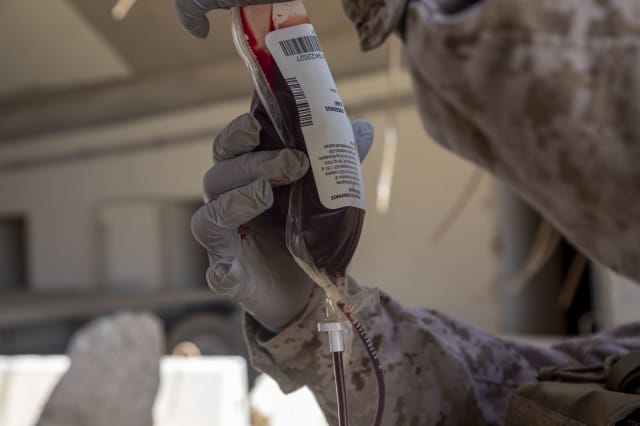
Over more than a decade in emergency medicine I’ve seen the same story play out again and again: a critical injury, minutes of chaos, and the race against blood loss. Ten years on fire and EMS, three years in the ER, and six years as an Army medic with both mortar units and a battalion medical section taught me that stopping bleeding isn’t just a skill — it’s often the difference between life and death. Yet most people never learn it until they’re standing over someone they love, hands shaking. This site exists to change that. We’re here to build a community of protectors, rooted in grace and God’s love, where seasoned medics and absolute beginners can share real‑world scenarios and practical lessons.
Why start with hemorrhage? Because uncontrolled bleeding is not a niche problem – it’s the leading cause of preventable death after injury. Global research shows that hemorrhage accounts for 30–40 % of injury‑related deaths and is responsible for almost half of all prehospital trauma deaths. Nearly 200,000 people in the United States die from traumatic injuries each year, and blood loss is the number one preventable killer. One study estimated that almost a quarter of deaths from hemorrhage could be prevented with better care, but too often victims bleed out within minutes before help arrives. In fact, nearly half of trauma patients who bleed to death never make it to the hospital. These numbers aren’t meant to scare you; they’re a reminder of how much good we can do with simple actions.
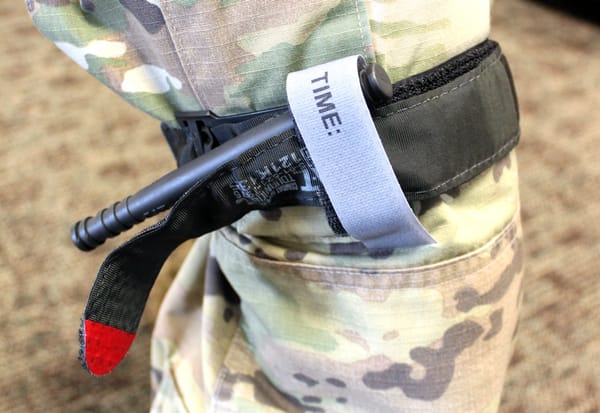
Lets take a second to highlight a tool and technique that actually work in the field. One example is the Snakestaff ETQ tourniquet (Note: I am not affiliated with Snakestaff). Like the familiar Combat Application Tourniquet (C‑A‑T) and other windlass designs, it uses a hook‑and‑loop strap and a windlass to cinch down on a limb, but it’s far more compact — small enough to fit into a double‑stack magazine pouch for everyday carry and the best part, it fits on children and animals! The ETQ measures roughly 37 inches long and one inch wide and weighs less than two ounces; it has a polymer windlass and a small carabiner with a glow stick. There’s also a 1.5‑inch‑wide version that meets CoTCCC guidelines for reliable occlusion and reduced nerve damage; despite the added width it still weighs only about 1.8 ounces. Snakestaff has submitted this wider ETQ for committee approval, but remember that even improvised or non‑approved tourniquets can save lives.
Staging matters more than brand. Factory‑packed tourniquets are wound tight for shipping; take yours out, expand the loop and tuck the tail so you can slip it over a limb quickly. Then practice on yourself until you can pull the strap high and tight and take up all the slack before twisting the windlass — if you can slip a finger under the band, it isn’t tight enough. In my own calls I’ve watched inexperienced rescuers struggle because they didn’t have the tourniquet staged or they started turning the windlass on a loose strap; bleeding continues until you haul the strap down TIGHT, THEN twist until bleeding stops and secure the windlass. Whether you choose a compact Snakestaff, a C‑A‑T, or another TCCC‑approved device, rehearse with a dedicated training tourniquet so your duty gear is fresh and ready when someone’s life depends on it. Remember; TQs do NOT feel good when getting placed on the patient. The patient WILL let you know this vocally. However, now is the time to act as the alternative is not so good.