"High Stakes on the Thigh": A hemorrhage control guide to thigh gunshot wounds (GSWs)
In emergencies, hesitation can be fatal. A gunshot to the thigh can quickly become life‑threatening because the femoral artery can pump out large volumes of blood. Whether you’re a church usher, parent, or bystander, here’s how to respond decisively when someone is shot in the leg.
Why Speed Matters
Major limb trauma is one of the few scenarios where bleeding control devices can save a life. The Committee on Tactical Combat Casualty Care (TCCC) first recommended using tourniquets for major limb trauma, and studies show this simple intervention improves survival. The Tactical Emergency Casualty Care (TECC) guidelines were created for civilians and encourage bystanders and first responders—including non‑medics—to apply tourniquets when they see severe bleeding.
The femoral artery is as wide as your thumb; if it’s torn, a person can die in minutes. You don’t have time to decide whether the bleeding is internal or external. Always treat a thigh gunshot wound as life‑threatening.
Step‑by‑Step: Stop the Bleeding
These steps follow the Stop the Bleed recommendations and are intended to be clear and repeatable. Practice them with a training kit so your muscles remember what to do under stress.
1. Make sure it’s safe and call 911
Before rushing in, ensure the shooter is gone and the scene is safe. Tell someone to call 911 immediately. Explain that there is a gunshot wound and give the location. Uncontrolled bleeding can kill in less than five minutes, so early medical help is essential.
2. Expose and locate the wound
Rip or cut clothing away to find the source of bleeding; there may be an entry and exit wound. Do not waste time cleaning the area. You’re looking for the place where blood is coming from.
3. Apply a tourniquet—no debate
If you see heavy bleeding or a broken femur, apply a tourniquet. Even if you’re unsure whether the bone or artery is hit, a tourniquet can be life‑saving and is unlikely to harm a limb when used correctly. Here’s how:
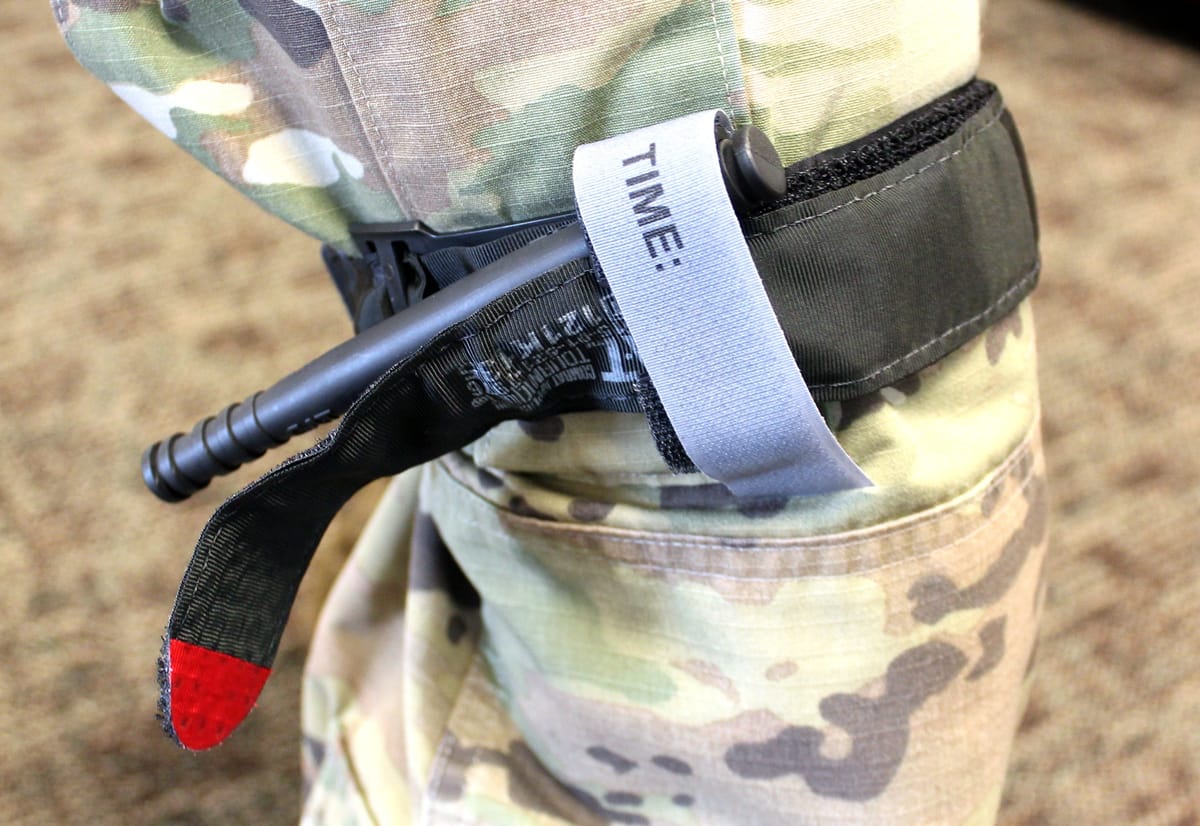
- Position: Place the tourniquet 2–3 inches above the wound, between the wound and the torso. If you can’t see the wound or you’re under stress, go as high on the thigh as possible (a “high‑and‑tight” placement). Never put it over a joint.
- Tighten: Pull the strap tight. Windlass‑style tourniquets have a rod; PULL, TWIST, and CLIP until the bleeding stops. It will hurt, but pain is expected and means you are occluding blood flow.
- Secure: Lock the windlass so it can’t unwind and note the time of application. If bleeding continues, apply a second tourniquet above the first, closer to the torso.
- Leave it on: Do not loosen or remove the tourniquet. Only trained medical professionals should release it.
4. Apply firm pressure and pack the wound
Direct Pressure: Use your gloved hands or a clean cloth and press directly over the wound. If the wound is small and shallow, firm continuous pressure may be enough to slow bleeding while you prepare a tourniquet.
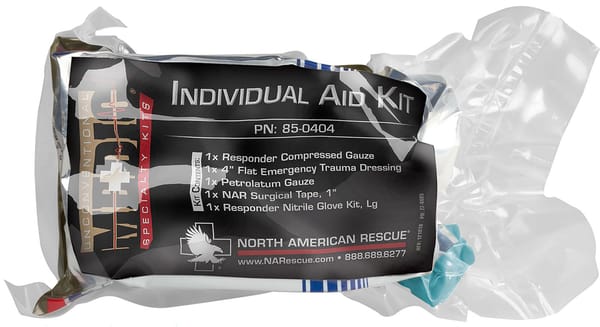
Deep Wound? Pack it: Gunshot wounds often leave a deep cavity. Surface pressure alone doesn’t work. The Stop the Bleed curriculum instructs responders to stuff gauze or cloth deep into the wound until it’s full. Pack aggressively—use a finger or the end of a bandage roll to push material into the cavity. Continue packing until the material is flush with the skin. Once full, keep direct pressure on top. There are tons of good YouTube videos on how to pack a wound too.
What if the Bone Is Broken?
Treat it the same way. A fractured femur indicates significant force and likely vascular damage. You can’t see internal bleeding, and you’re not expected to decide. Pack the wound and apply a tourniquet as described above. Splinting the leg can reduce pain, but it’s secondary to stopping hemorrhage. Use whatever you have—a rolled magazine, broomstick, or board—to keep the leg straight and prevent further injury while waiting for EMS.
5. Watch for shock
A person who has lost a lot of blood may appear pale, sweaty, confused, or sleepy. Keep them lying down, elevate their uninjured leg if possible, and cover them with a blanket to stay warm. Reassure them continuously until help arrives.
6. Hand off to professionals
When EMS arrives, tell them what you did: where the tourniquet is, when you applied it, and that you packed the wound. They will take over care and transport the patient to a trauma center.
Final Thoughts
In an emergency, simple actions save lives. You do not need to be a paramedic to stop life‑threatening bleeding—TECC guidelines explicitly empower bystanders to use tourniquets. When someone is shot in the thigh:
- Call 911 immediately.
- Expose the wound and apply pressure. For deep wounds, pack it.
- Apply a tourniquet 2–3 inches above or high and tight, and tighten until bleeding stops.
- Do not remove the tourniquet.
You may never need these skills, but if you do, acting decisively can be the difference between life and death. Practice with a tourniquet and gauze, teach your family and community, and be ready to save a life.