Hemorrhage Control Kit Contents: What’s Inside and Why It Matters
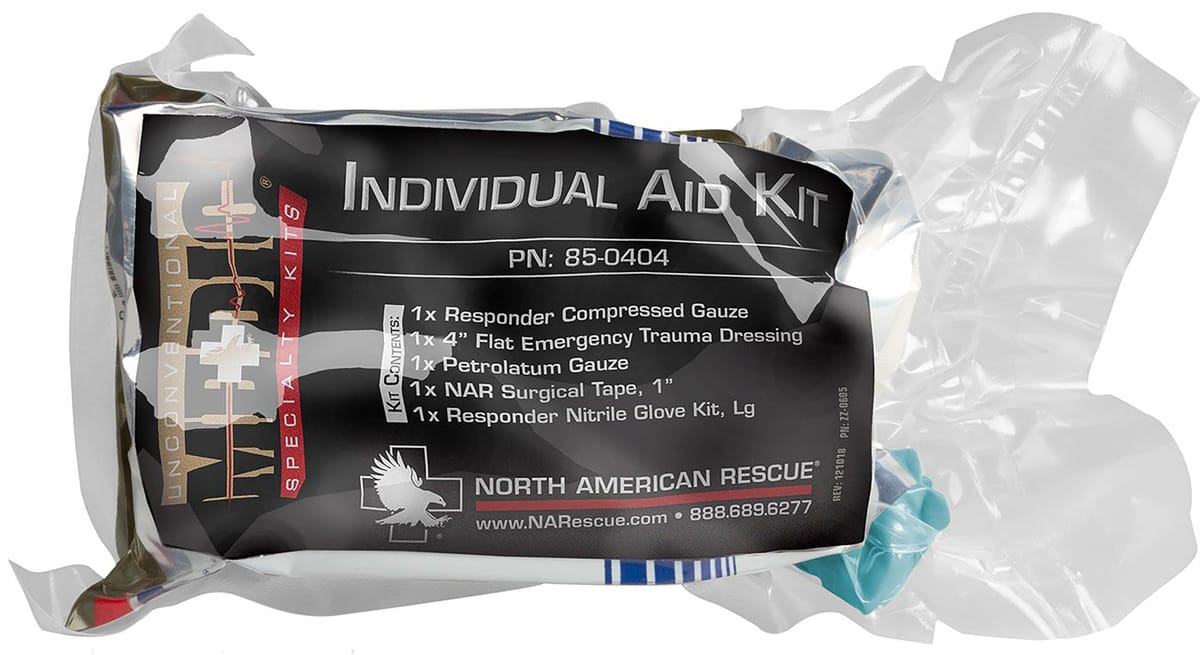
A hemorrhage control kit isn’t a “bigger first-aid kit.” It’s a purpose-built set of tools meant to address one urgent problem: major external bleeding that can become fatal in minutes. When you open a hemorrhage kit, nearly every item exists for one of four reasons:
- Stop blood loss quickly
- Keep pressure where it needs to be
- Protect the responder
- Communicate clearly with EMS and prevent complications
This article breaks down the most common hemorrhage control kit components and explains why they’re there, without getting into step-by-step use.
What a Hemorrhage Control Kit Is Designed to Do
In trauma care, “hemorrhage control” really means controlling life-threatening bleeding, especially from:
- Extremities (arms/legs)
- Junctional areas where limbs meet the torso (groin, armpit, neck)
- Large open wounds that don’t respond to a simple adhesive bandage
A well-designed kit anticipates real-world constraints: you may have limited time, limited light, stress, awkward positions, and bystanders who are panicking. That’s why hemorrhage kits focus on simple, reliable tools that work when things aren’t ideal.
The Core Contents of a Hemorrhage Control Kit (and Why Each Item Matters)
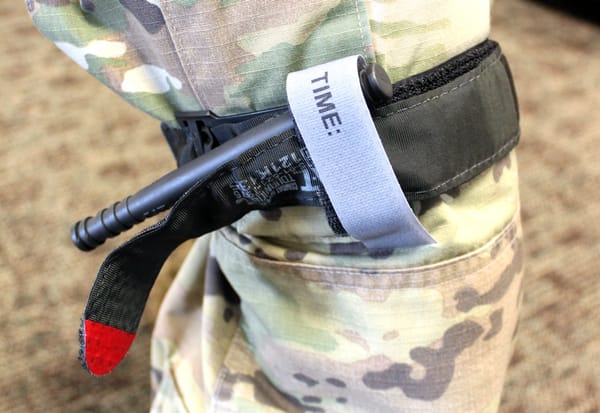
1) Commercial Tourniquet (for severe limb bleeding)
Why it’s there:
A tourniquet exists for the worst-case scenario: massive bleeding from an arm or leg where direct pressure alone may not be fast enough or sustainable. In real emergencies, you might not be able to hold pressure continuously, and you may need a tool that can maintain strong, consistent compression even while you’re calling for help, moving to safety, or managing multiple casualties.
Why a commercial tourniquet (not improvised):
- Designed to apply reliable, repeatable circumferential pressure
- Built to stay secured under movement and stress
- Generally more consistent than makeshift options
Good kit logic: If your kit is meant for serious trauma—not minor cuts—this is usually the most important single item.
2) Hemostatic Gauze (for wounds where a tourniquet can’t help)
Why it’s there:
Not every major bleed is on an arm or leg where a tourniquet makes sense. Hemostatic gauze is included for wounds in areas where you can’t realistically use a tourniquet, such as the groin or armpit, or for deep wounds that need more than a surface dressing.
Hemostatic gauze differs from regular gauze because it’s built to support faster clot formation through an added agent (varies by product). The “why” is simple: in high-flow bleeding, time matters, and hemostatic gauze is intended to improve the odds of control when standard gauze alone may struggle.
Important note: Hemostatic products often have expiration dates, which is part of the ownership responsibility of a kit.
3) Compressed Gauze (plain gauze; your reliable workhorse)
Why it’s there:
Compressed gauze is one of the most versatile items in the kit. Even when you have hemostatic gauze, you still need plain gauze because real wounds can be large, irregular, and messy. You may need more material than one specialized roll can provide.
What compressed gauze is “for,” in practical terms:
- Volume and absorption when there’s a lot of blood
- Filling space in larger wounds (without describing technique)
- Layering under a wrap or pressure dressing
- Serving as a backup if hemostatic gauze is expired or already used
Why it earns space: It’s cheap, compact, lightweight, and solves multiple problems.
4) Pressure Dressing / Emergency Trauma Dressing
Why it’s there:
Stopping bleeding is not just about placing material on a wound—it’s about maintaining effective pressure over time. A pressure dressing is designed to help keep that pressure steady so the responder doesn’t have to physically hold it the entire time.
Why this matters in real life:
- You may need your hands free to call 911, direct others, or manage hazards.
- Manual pressure is exhausting and inconsistent under stress.
- A secure dressing reduces the chance the wound reopens during movement.
In kit design terms: This is the bridge between “I got initial control” and “we’re stable until professionals arrive.”
5) Elastic Wrap or Cohesive Bandage (optional but common)
Why it’s there:
This category exists to secure and reinforce whatever you’ve put in place—especially if you don’t have the exact perfect dressing size for the wound.
Cohesive wraps stick to themselves, which can be helpful when conditions are wet or chaotic. Elastic wraps help keep compression more uniform and can adapt to odd body contours.
Why it’s valuable: Dressings fail most often because they shift, loosen, or don’t match the wound shape. Wraps help solve that.
6) Nitrile Gloves (usually multiple pairs)
Why it’s there:
Gloves are about protecting the responder and reducing disease exposure—bloodborne pathogens are a real risk, and trauma is messy.
Why nitrile specifically shows up so often:
- Durable and puncture-resistant compared to some alternatives
- Works for people with latex sensitivities
- Packs small and stores well
Why multiple pairs: In a real incident, gloves tear, get contaminated, or you might hand a pair to another bystander assisting.
7) Trauma Shears
Why it’s there:
Bleeding control often requires you to quickly find the source of bleeding. Clothing, belts, or gear can hide injuries. Trauma shears exist because they safely cut through many common materials (denim, workwear, light leather, etc.) without needing a sharp blade near skin.
Why not just a pocketknife?
- Shears are generally safer around people in pain, moving unpredictably, or covered in blood.
- Shears reduce accidental cuts to the casualty or responder.
Bottom line: In kit planning, access is everything—shears help you access the problem.
8) Medical Tape
Why it’s there:
Tape is the “make it stay put” tool. Even the best dressing can loosen with sweat, blood, movement, or awkward anatomy. Tape provides a simple way to secure edges, reinforce wraps, or improvise stabilization.
Why it belongs in hemorrhage kits:
Because bleeding control is frequently about maintaining what you’ve already accomplished until EMS takes over.
9) Permanent Marker (often overlooked, extremely useful)
Why it’s there:
In emergencies, information gets lost fast. A marker helps communicate key details to arriving professionals—especially if multiple responders are involved or if there are multiple casualties.
What it supports (without a how-to):
- Documenting times or actions taken
- Labeling on skin, tape, or a note card
- Reducing confusion during handoff to EMS
Why it matters: Trauma care is a relay race—clean handoffs save time.
10) Casualty Card / Notecard (or a simple info tag)
Why it’s there:
If your kit is used in a chaotic environment, you may need a quick way to track what happened, particularly if the patient is moved or multiple helpers rotate in.
Why it’s practical:
- Enables a clear “story” for EMS
- Reduces repeated/duplicated actions
- Keeps bystanders aligned on what’s been done
11) Hypothermia Prevention (space blanket or compact thermal wrap)
Why it’s there:
This surprises people: even in warm weather, trauma patients can become cold quickly. Heat loss isn’t just discomfort—being cold can worsen the body’s ability to clot effectively. Hemorrhage kits often include a lightweight thermal layer because preventing heat loss supports the overall goal: stabilization until advanced care.
Why it’s in a bleeding kit:
Because controlling bleeding isn’t only “mechanical.” The body’s ability to clot is part of the equation.
12) A Durable Pouch With Clear Organization
Why it’s there:
The pouch is not just packaging. In real emergencies, you don’t want to dig through loose items. A good pouch supports:
- Speed (grab the right thing immediately)
- Consistency (anyone can find items where they’re expected)
- Protection (keeps items dry, intact, and clean)
Why labeling matters:
A clearly labeled “Bleeding Control” kit reduces hesitation and improves bystander confidence.
A Practical Hemorrhage Control Kit Checklist (Typical)
If you want a clean, “standard” list to build around:
- 1–2 Commercial tourniquets
- 1 Hemostatic gauze (optional but common)
- 1–2 Compressed gauze rolls
- 1 Pressure dressing / trauma dressing
- 1 Elastic wrap or cohesive wrap (optional)
- 2+ pairs nitrile gloves
- 1 Trauma shears
- 1 Medical tape roll
- 1 Permanent marker
- 1 Thermal blanket / hypothermia wrap (optional but smart)
- 1 Casualty card / notecard
- Pouch with internal organization
This isn’t the only “correct” configuration, but it reflects the logic most hemorrhage kits follow: rapid control + secure hold + responder protection + clean handoff.
Why Some Common First-Aid Items Are Often Not in a Hemorrhage Control Kit
A hemorrhage kit is intentionally narrow. Many everyday first aid items aren’t included because they don’t meaningfully help with life-threatening bleeding:
- Small adhesive bandages
- Ointments/creams
- Large assortments of minor wound supplies
- Cold packs
- Alcohol wipes (useful generally, but not a priority for major bleeds)
Those items can live in a general first-aid kit. A hemorrhage control kit stays lean so it’s fast and decisive when seconds matter.
Quality Matters: A Quick Note on Choosing Components
The “why” behind quality is simple: a hemorrhage kit is used when the cost of failure is high.
What to look for when purchasing:
- Reputable brands and authorized sellers (counterfeits do exist)
- Clear packaging and lot numbers
- Expiration dates where applicable (hemostatic gauze, some packaged items)
- Packaging that can withstand heat/cold if stored in a vehicle or outdoor setting
A kit that’s cheap but unreliable defeats its purpose.
Where Hemorrhage Control Kits Make the Most Sense
These kits are especially valuable in places where sharp tools, heavy machinery, traffic, or distance from EMS increase risk:
- Vehicles (especially for long commutes or rural routes)
- Workshops, construction, farms
- Schools and workplaces
- Outdoor recreation: hunting (for tools/accidents), hiking, off-roading
- Community venues
The consistent theme: when help might be minutes away, what you do in the first minute matters.
FAQ: Hemorrhage Control Kit Contents and Purpose
What’s the difference between a first aid kit and a hemorrhage control kit?
A first aid kit covers a wide range of minor-to-moderate issues. A hemorrhage control kit focuses tightly on major bleeding emergencies and includes tools designed for rapid stabilization.
Do I really need a tourniquet in a bleeding kit?
If your kit is truly meant for severe trauma, a tourniquet is usually included because it addresses one of the most dangerous scenarios: catastrophic extremity bleeding.
Why include both hemostatic gauze and regular gauze?
Hemostatic gauze is specialized; plain gauze provides bulk, versatility, and backup. Real wounds often require more material than a single roll.
Why is a space blanket considered part of bleeding control?
Because trauma patients can become cold quickly, and being cold can interfere with the body’s clotting process. Heat retention supports overall stabilization.
Are these items useful without training?
The items are designed to be straightforward, but training improves speed, confidence, and decision-making. Even without training, having a properly stocked kit is better than having nothing—just prioritize calling emergency services and seeking formal instruction when possible.
Closing: The “Why” That Ties It All Together
A hemorrhage control kit isn’t about having a lot of supplies—it’s about having the right supplies to solve a specific, time-sensitive problem. Every item in a well-built kit supports one mission: reduce blood loss and keep the situation stable until advanced care arrives.