Breaking the Silence: Ibogaine’s Revolutionary Path to Healing for Veterans and TBI's

Breaking the Silence: Ibogaine’s Revolutionary Path to Healing for Veterans and TBI's

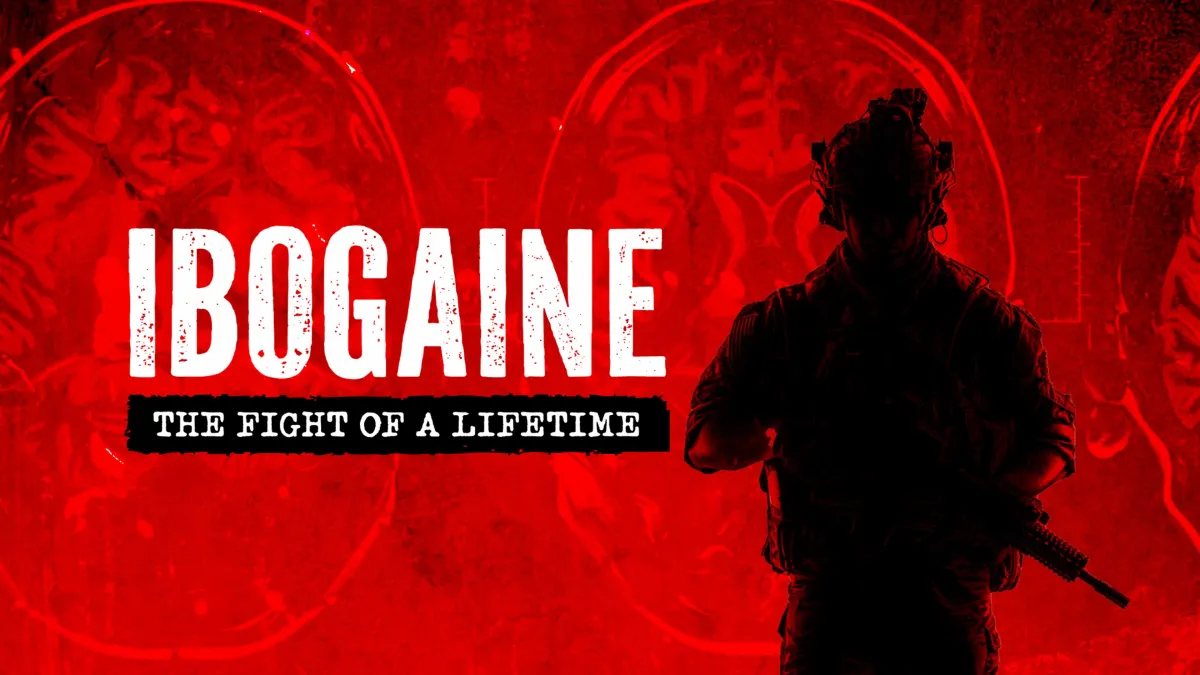
Ibogaine is a psychoactive alkaloid derived from the African shrub Tabernanthe iboga. For centuries it has been used in West‑Central Africa in initiation rites and healing ceremonies. In the late 20th century it gained attention in the West for its ability to reduce withdrawal symptoms in opioid addiction. Today, ibogaine is emerging as a promising therapy for traumatic brain injury (TBI), post‑traumatic stress disorder (PTSD) and depression – especially among special operations veterans. This article explores how ibogaine is changing lives in the veteran community, including members of the GBRS Group, and shares my personal journey with this powerful medicine.

What is ibogaine?

Ibogaine is a psychedelic compound. At moderate doses it induces a visionary experience lasting 18–24 hours. Unlike recreational psychedelics, ibogaine’s effects are ruthlessly introspective; users often confront deeply buried memories and traumas. Because ibogaine can affect heart rhythm, treatment must be conducted under medical supervision with cardiac monitoring. In the United States ibogaine is classified as a Schedule I substance, so U.S. trials are restricted and veterans travel to clinics in Mexico or Canada. Many clinics administer ibogaine alongside magnesium, which reduces the risk of heart arrhythmia and allows for higher, more effective doses.

Evidence for trauma healing

Stanford and Nature Mental Health studies

In 2024–2025, researchers at Stanford Medicine and collaborators at VETS (Veterans Exploring Treatment Solutions) studied 30 special‑operations veterans with traumatic brain injuries who travelled to a Mexican clinic for ibogaine therapy. Participants had high rates of PTSD, anxiety, depression and alcohol use disorder, with many experiencing suicidal thoughts. The results were striking:

  • Functional disability improved dramatically – the average disability rating dropped from 30.2 (mild‑moderate disability) to 5.1 (no disability) one month after treatment. Veterans showed better concentration, memory and impulse control.
  • PTSD symptoms fell by 88 %depression symptoms by 87 % and anxiety by 81 % relative to baseline. One participant said that before treatment he felt like he was “living life in a blizzard with zero visibility,” but after ibogaine “the storm lifted”.
  • No serious side effects were observed; headaches and nausea were typical, and the magnesium protocol prevented the cardiac complications that have historically limited ibogaine’s use.

These improvements persisted for at least one month, suggesting that ibogaine doesn’t merely create a temporary high but triggers lasting neurological and psychological change. The study’s principal investigator noted that no other drug has shown such dramatic improvement in TBI‑related symptoms.

Policy momentum and clinical trials

The results have spurred governmental interest. In 2025 the state of Texas approved a $50 million initiative to fund clinical trials of ibogaine. These trials aim to gather the data necessary for FDA approval and could pave the way for ibogaine‑assisted therapy within the U.S. For now, veterans must travel abroad, often supported by nonprofits like VETS, which provides grants for treatment and integration support. VETS reports that over 1,200 veterans have received psychedelic therapy through their programs, and the demand far exceeds their resources.

Voices from the GBRS community

DJ Shipley’s story

DJ Shipley, a retired Navy SEAL and co‑founder of the GBRS Group, openly credits ibogaine with saving his life. After years of physical injury, chronic pain and PTSD, he was taking 60 pills a day just to function. Traditional therapy and medications left him numb and emotionally disconnected. In despair, he travelled to Mexico for ibogaine treatment. The experience was grueling – lasting 18–24 hours and requiring him to confront deeply buried trauma. But it allowed him to process those memories and make sense of his pain. He described the therapy as “literally life‑saving when nothing else worked”.

In a conversation with neuroscientist Andrew Huberman, Shipley explained that ibogaine restored his ability to feel empathy and emotional connection. He saw the trauma he had compartmentalized to survive and learned to integrate it. Following ibogaine, he underwent 5‑MeO‑DMT therapy, another psychedelic, which he said dissolved his rigid SEAL identity and helped him embrace being a husband and father. Today he takes no pain medications and credits ibogaine with giving him his life back. Shipley believes that if he had accessed this therapy while on active duty, he could have remained operational without carrying trauma home to his family.

A broader movement within special operations

Shipley is not alone. Other former Navy SEALs and special‑operations veterans feature in the documentary “In Waves and War,” which follows their journey through ibogaine and 5‑MeO‑DMT therapies. Participants describe experiencing an intense “life review” that compresses years of psychotherapy into hours. The film highlights how ibogaine, under medical supervision, has helped veterans overcome addiction, resolve trauma and rebuild relationships. As awareness spreads, more veterans are seeking this therapy, creating a community of peers who support each other through integration and healing.

How ibogaine works

Scientists are still mapping ibogaine’s mechanisms, but several theories have emerged:

  1. Neuroplasticity and theta rhythms – the Stanford study found that veterans who improved after treatment showed increases in theta brain rhythms and reductions in cortical complexity. Theta waves are associated with learning and memory, suggesting that ibogaine may reopen critical periods of plasticity, allowing the brain to rewrite traumatic associations.
  2. Serotonin, dopamine and NMDA receptors – ibogaine interacts with multiple neurotransmitter systems, including serotonin transporters (like some antidepressants), dopamine receptors and NMDA receptors, which play roles in mood, reward and learning. This broad pharmacological profile may explain why ibogaine affects both mood disorders and addiction.
  3. “Life review” phenomenon – many users describe watching their life story unfold during the experience. This may be due to ibogaine’s effect on networks that integrate autobiographical memory and self‑reflection. By re‑experiencing traumatic events in a safe, detached state, individuals can reinterpret them and release pent‑up emotions.

My journey with ibogaine

I went to ibogaine for mental health reasons that I don’t feel the need to fully unpack here. What I will say is this: I was at the end of my rope. I had reached a point where nothing I had tried was working, and continuing the way I was living no longer felt sustainable. I didn’t go looking for a spiritual experience or a miracle—I went because I felt I had nothing left to lose.

I traveled to a clinic in Mexico where I underwent treatment with ibogaine and 5-MeO-DMT. That decision changed my life permanently.

Ibogaine was brutally introspective. There was no escaping it, no numbing, no turning away. The experience lasted through the night—roughly twelve hours—and it was physically demanding. I vomited repeatedly. The hallucinations, both visual and auditory, were extraordinarily vivid and real. This was not a “trip” in the recreational sense. It was work.

What made ibogaine different from anything I had ever experienced was that it placed every unresolved issue directly in front of me. There was no option to avoid or suppress anything. Whether I liked it or not, I was going to face it.

The life review was the most intense part. Scene by scene, my past replayed in exacting detail—every 911 call, every time I had performed CPR, especially on children, and every moment I had carried without ever fully processing. Each memory came back with full emotional weight. But once it was relived, it was released. It was as if something dark and heavy that had been sitting over my heart for years was being washed away, one scene at a time.

By morning, that weight was gone.

The 5-MeO-DMT experience was entirely different. Where ibogaine was relentless and demanding, 5-MeO-DMT was profoundly beautiful. It’s difficult to put into words, but it introduced me to a depth of love I didn’t know existed—love without judgment, without condition, without fear. For the first time, I experienced what it felt like to be completely at peace with myself.

The effects didn’t fade when I left the clinic. A thirteen-year nicotine addiction disappeared almost overnight, without cravings or struggle. More importantly, something shifted at a much deeper level. For the first time in my life, I truly know who I am—and I believe it. I can say, honestly and without hesitation, that I love myself.

This experience changed my life forever.

Cautions and considerations

While ibogaine offers profound promise, it is not a magic bullet. The treatment is physically taxing and can be psychologically overwhelming. Because of its effects on heart rhythm, it must be administered by experienced medical professionals with pre‑screening and cardiac monitoring. Integration – the process of working with therapists and peers to make sense of the experience – is essential for lasting change. Ibogaine remains illegal in the U.S., and traveling abroad carries logistical and financial hurdles. Moreover, no long‑term data yet exist on its risks or benefits beyond several months, and caution is warranted for people with certain medical conditions.

Looking ahead

The success stories from special‑operations veterans and the growing body of research suggest that ibogaine could become a cornerstone of trauma therapy. The Texas initiative to fund clinical trials signal a shift toward mainstream acceptance. Nonprofits like VETS and community‑based groups are already building networks to support veterans through treatment and integration. For members of the GBRS community and others who feel stuck in cycles of pain, ibogaine represents hope. My experience and those of fellow veterans show that when combined with medical oversight and ongoing support, this ancient plant medicine can catalyze profound healing. It’s time to break the silence and advocate for safe, legal access so that more lives can be saved.

Read more