Bleed‑Ready: lessons from Sydney’s terror attack
Overview of the attack
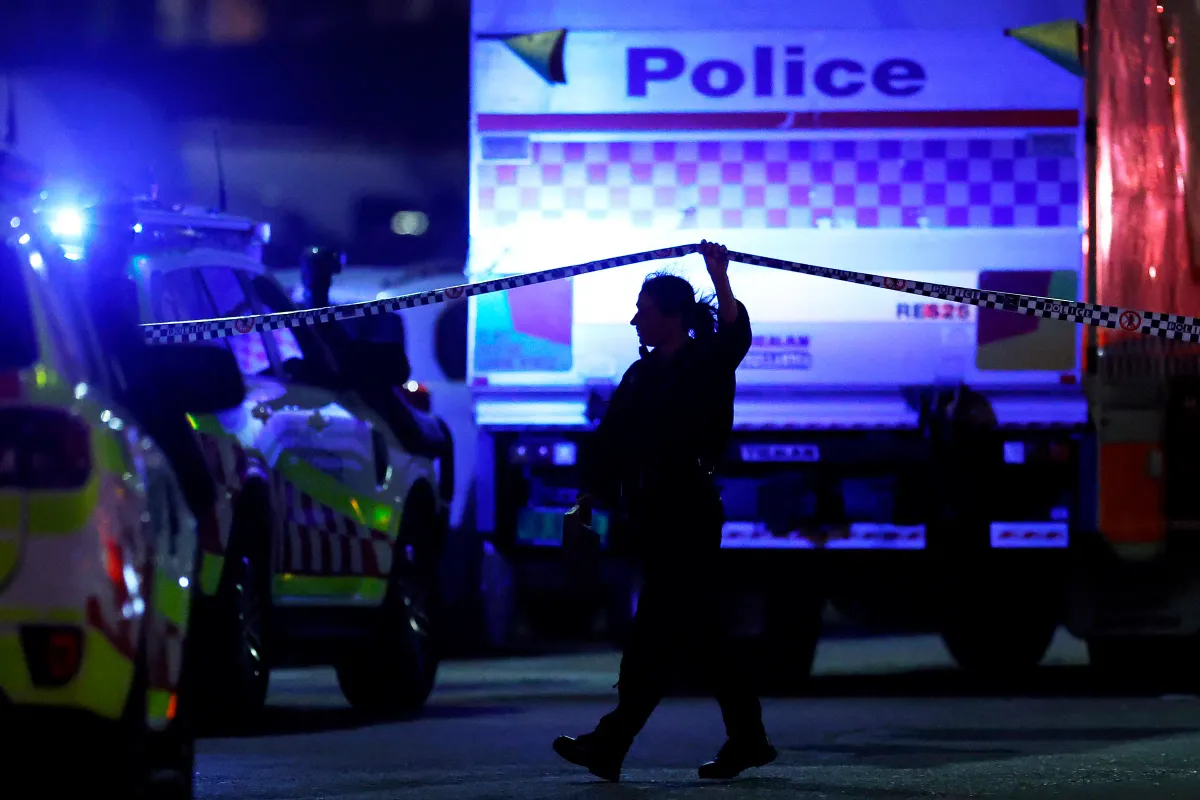
On the evening of 14 December 2025, Sydney’s Bondi Beach was hosting Chanukah by the Sea, a family‑friendly Hanukkah celebration. In the middle of the festival two gunmen – a 50‑year‑old father and his 24‑year‑old son – opened fire on the crowd. Police later confirmed that 16 people were killed (including one gunman) and at least 38 injured. One attacker was shot by police while the other was tackled and disarmed by a civilian in dramatic footage. Authorities immediately labelled the event a terrorist incident aimed at Sydney’s Jewish community. The attack followed two high‑profile stabbing events in April 2024 – the Westfield Bondi Junction stabbing and the Wakeley church stabbing, where a teenage assailant injured bishop Mar Mari Emmanuel and another clergyman; congregants pinned the attacker and paramedics were trapped inside the church for hours.
Despite differences in weapons and motives, these incidents share a sobering reality: most preventable deaths in mass‑casualty attacks are caused by uncontrolled bleeding. Victims often exsanguinate before emergency medical services arrive. In the Bondi shooting, bystanders had minutes to act. Understanding what equipment and knowledge can save lives – and how to apply it under stress – is critical for both professionals and civilians.
Hemorrhage control matters
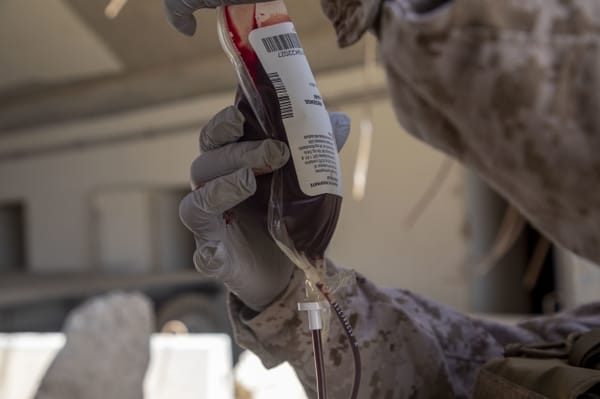
Military experience from Iraq and Afghanistan shows that rapid hemorrhage control saves lives. Research found that tourniquet use on the battlefield prevented 1 000–2 000 deaths and that teaching non‑medics point‑of‑injury hemorrhage control reduced mortality from 16 % to 10 %. A retrospective review of mass‑casualty incidents recommends that public venues stock supplies to treat at least 20 bleeding victims. The same review notes that victims are 4.5 times more likely to die from hemorrhagic shock when tourniquets are applied at the hospital rather than at the point of injury.
The Hartford Consensus, convened after the 2012 Sandy Hook school shooting, reframed the public as “immediate responders”. It emphasises that people already at the scene can make the biggest difference by controlling bleeding before first responders arrive. The consensus introduced the THREAT system – Threat suppression, Hemorrhage control, Rapid extraction, Assessment by medical providers and Transport – and called for widespread training and placement of hemorrhage‑control kits in public spaces. The subsequent Stop the Bleed campaign recommends that personal kits include an effective tourniquet, compressive dressing, rolled gauze, trauma shears, nitrile gloves and a carrying pouch. These kits typically cost US$50–75 but offer the ability to save a life.
Lessons from military medicine – TCCC & TECC
Military medical doctrine has evolved into the Tactical Combat Casualty Care (TCCC) guidelines. These evidence‑based protocols have been adapted for civilian mass‑casualty situations by the Committee for Tactical Emergency Casualty Care (TECC). TECC divides care into three phases:
- Direct‑threat care – when the threat is active. The priority is to mitigate the threat, move casualties to cover and control massive hemorrhage using tourniquets. TECC emphasises that controlling major bleeding is the most important medical intervention.
- Indirect‑threat care – once victims are in relative safety. Rescuers follow the MARCH sequence: control Massive hemorrhage, establish an Airway, ensure Respiration, maintain Circulation and manage Head injury/Hypothermia. This includes converting hasty tourniquets to deliberate ones, packing wounds with hemostatic gauze, sealing open chest wounds and preventing shock.
- Evacuation care – moving casualties toward definitive care. Interventions focus on reassessing earlier treatments and preventing hypothermia while preparing for transport.
The MARCH algorithm
The MARCH algorithm is a simple mnemonic for prioritising trauma interventions. It underpins both TCCC and TECC and can be learned by anyone. The following infographic summarizes the steps:
- Massive hemorrhage – Look for life‑threatening bleeding (spurting blood, pooling, soaked clothing, amputation). Apply a CoTCCC‑approved tourniquet high and tight over clothing; once in cover, move it 2–3 inches above the wound directly on skin and mark the time of application. Pack deep wounds with hemostatic gauze and apply pressure.
- Airway – A conscious casualty who can speak has a patent airway. For an unconscious casualty who is breathing, insert a nasopharyngeal airway; if not breathing and trained to do so, consider surgical airway techniques.
- Respiration – Seal penetrating chest wounds with vented chest seals and, if trained, decompress suspected tension pneumothorax using a 14‑gauge needle.
- Circulation – Once bleeding is controlled, monitor signs of shock (altered mental status, weak pulse). Provide fluids such as intravenous or intraosseous access if trained and necessary; administer tranexamic acid (TXA) when available.
- Head injury/Hypothermia – Evaluate for traumatic brain injury using the AVPU (Alert, Verbal, Pain, Unresponsive) scale and prevent hypothermia by covering the casualty with blankets or hypothermia wraps.
Equipment and knowledge for civilians
Being ready requires both equipment and training. The following items are recommended for individual first‑aid kits:
Training opportunities
- Stop the Bleed (STB) courses teach laypeople to recognise life‑threatening bleeding, apply direct pressure, pack wounds and use a tourniquet. STB kits are designed to be placed alongside public AEDs and cost about US$50–75.
- Bleeding Control for the Injured (B‑Con) is a National Association of EMTs course that teaches military bleeding control techniques in two to three hours.
- Tactical Emergency Casualty Care for Active Bystanders modules (offered through TECC) focus on scenario‑based training and emphasise moving casualties to cover, hemorrhage control and situational awareness.
Using the OODA loop for hemorrhage control
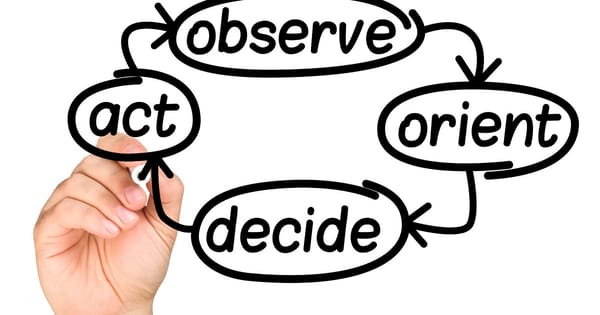
The OODA loop (Observe–Orient–Decide–Act) was developed by U.S. Air Force Colonel John Boyd to describe rapid decision‑making in combat. It provides a useful mental model for civilians facing chaotic scenes:
- Observe – Take in the situation. Are shooters still active? Where are the casualties? Identify anyone with uncontrolled bleeding (spurting blood, soaked clothing, amputation).
- Orient – Gain situational awareness. Move yourself and the casualty to cover if possible. Quickly locate your kit or improvised materials. Assess which casualty you can reach safely.
- Decide – Prioritise actions based on the MARCH algorithm. Decide whether you can safely intervene or whether you must wait for law enforcement. If you can intervene, choose the appropriate tool (tourniquet, gauze) and plan your steps.
- Act – Commit to the decision and perform the intervention without hesitation. Apply the tourniquet high and tight, pack the wound firmly, or seal a chest wound as needed. Continue reassessing and be prepared to cycle through the OODA loop as the situation evolves.
Applying the OODA loop helps prevent paralysis by analysis. In the Bondi attack, a bystander’s quick decision to tackle and disarm the gunman almost certainly saved lives. For medical interventions, using the loop ensures that bleeding control happens rapidly and effectively, even under stress.
Building a bleed‑ready society
The Bondi Beach terror attack and the Wakeley church stabbing highlight how fast violence can erupt and how long victims may wait for professional help. Key preparedness takeaways include:
- Equip public spaces with bleeding‑control kits capable of treating at least 20 victims. Kits should be as common as AEDs.
- Train civilians through Stop the Bleed, B‑Con and TECC programs so that immediate responders can perform hemorrhage control. Civilian training reduces mortality and fosters resilience.
- Carry a personal kit when attending crowded events. Tourniquets, gauze and chest seals are lightweight and can be lifesaving.
- Practice the OODA loop and the MARCH algorithm so that decisive action is possible under stress.
- Advocate for policies that integrate the THREAT framework: threat suppression by law enforcement, hemorrhage control by immediate responders, rapid extraction to a casualty collection point, assessment by EMS and transport to definitive care.
Mass‑casualty attacks like the Bondi Beach shooting are tragedies, but they also provide lessons. The medical community has shown that uncontrolled bleeding is the leading preventable cause of death in these events and that immediate hemorrhage control saves lives. By adopting military‑derived protocols such as TCCC and TECC, stocking appropriate equipment and training civilians, communities can transform frightened bystanders into lifesavers. Adhering to the MARCH algorithm and using the OODA loop for rapid decision‑making ensures that actions are deliberate and effective. Being ready is no longer solely the responsibility of medics; it is a shared civic duty that can mean the difference between life and death.